In today’s fast-paced, goal-oriented society, it’s easy to become absorbed in our own lives, striving to achieve personal milestones, and sometimes forgetting about the world around us. However, there is a simple yet powerful way to connect with others and create a positive impact on society: volunteering and giving back. In this article, we will explore the numerous benefits of volunteering and altruism, both to the individual and the community at large.
- Improved Mental Health and Emotional Well-being
Numerous studies have shown that volunteering and giving back can significantly improve mental health and emotional well-being. By engaging in altruistic activities, individuals can experience increased levels of happiness, satisfaction, and self-esteem. Volunteering allows people to step outside their comfort zones, face new challenges, and develop a sense of purpose. This, in turn, fosters resilience and enhances the ability to cope with stress.
- Strengthened Social Connections
Volunteering and giving back create opportunities to establish and strengthen social connections. By participating in group activities or community events, individuals can meet like-minded people, forge new friendships, and expand their social networks. These connections not only provide emotional support but can also lead to professional opportunities and collaborations.
- Skill Development and Career Advancement
Participating in volunteer activities can help individuals gain new skills and enhance existing ones. For instance, volunteering at a local nonprofit can provide hands-on experience in project management, marketing, or fundraising. These skills can be invaluable in one’s personal and professional life. Moreover, many employers view volunteer experience as a valuable asset, demonstrating an individual’s dedication, initiative, and adaptability.
- Increased Empathy and Understanding
Volunteering and giving back can broaden an individual’s perspective and foster a deeper understanding of the diverse needs and challenges faced by others. As people engage with individuals from different backgrounds and walks of life, they develop empathy and become more compassionate. This increased understanding can lead to a greater sense of tolerance and acceptance, creating a more inclusive and harmonious society.
- Physical Health Benefits
Engaging in volunteer work often involves physical activity, whether it’s participating in a community clean-up, building a home for a family in need, or walking dogs at an animal shelter. Regular physical activity is crucial for maintaining good health, and volunteering can be a fun and rewarding way to stay active. Studies have also shown that individuals who volunteer and give back tend to have lower blood pressure and a reduced risk of heart disease.
- Encouraging Civic Responsibility
Volunteering and giving back can instill a sense of civic responsibility, inspiring individuals to become active citizens and contribute to their communities. By participating in community initiatives, individuals can learn about pressing issues affecting their local areas, and develop a deeper understanding of the importance of public service and civic engagement.
- Making a Tangible Impact
Perhaps the most significant benefit of volunteering and giving back is the opportunity to make a tangible, positive impact on the lives of others. By dedicating time, energy, and resources to causes they are passionate about, individuals can directly contribute to creating a better world. This sense of accomplishment and fulfillment can be deeply rewarding and motivate individuals to continue making a difference.
- Environmental Conservation
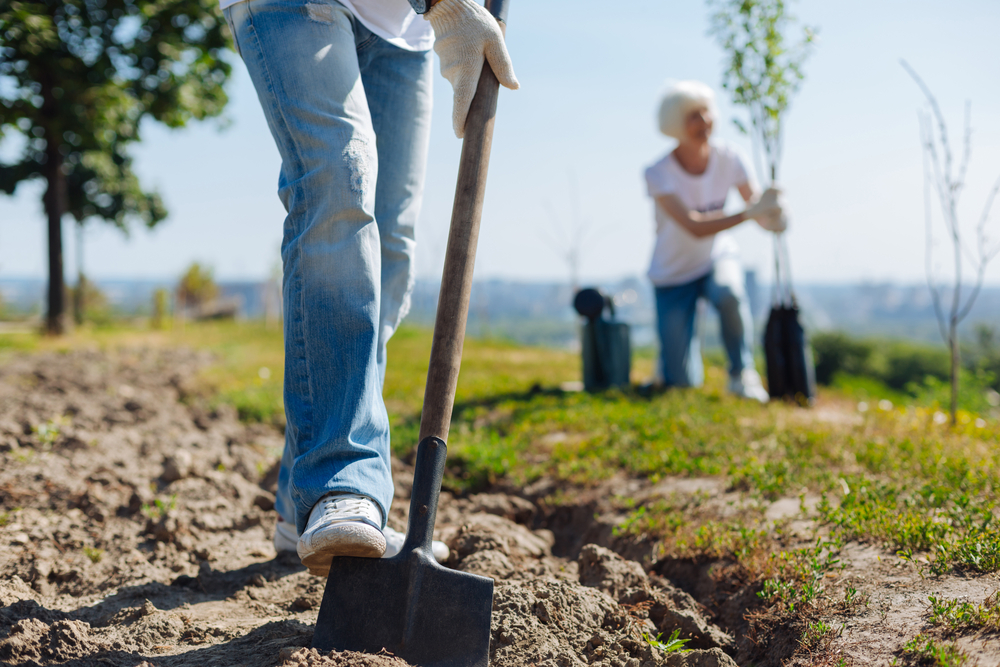
Volunteering for environmental causes, such as participating in tree planting initiatives or helping to clean up local parks and natural areas, can play a vital role in conserving the environment for future generations. These efforts not only protect our planet but also promote sustainable living and create a sense of stewardship within communities.
- Fostering a Culture of Generosity
Finally, by engaging in volunteering and giving back, individuals can inspire others to do the same. Altruistic
actions have a ripple effect, encouraging a culture of generosity and compassion within communities. As more and more people become involved in volunteering and giving back, the collective impact grows exponentially. This creates a virtuous cycle, where acts of kindness and selflessness inspire further acts of kindness and selflessness, ultimately leading to stronger, more resilient, and caring communities.
Volunteering and giving back offer numerous benefits, both to the individual and the community at large. By dedicating time and energy to helping others, individuals can experience improved mental and physical health, develop new skills, forge social connections, and make a tangible difference in the world. Moreover, by fostering empathy, understanding, and civic responsibility, volunteering and giving back contribute to creating a more inclusive, tolerant, and compassionate society. By unlocking the power of altruism, we can all play a part in building a better world for ourselves and future generations.