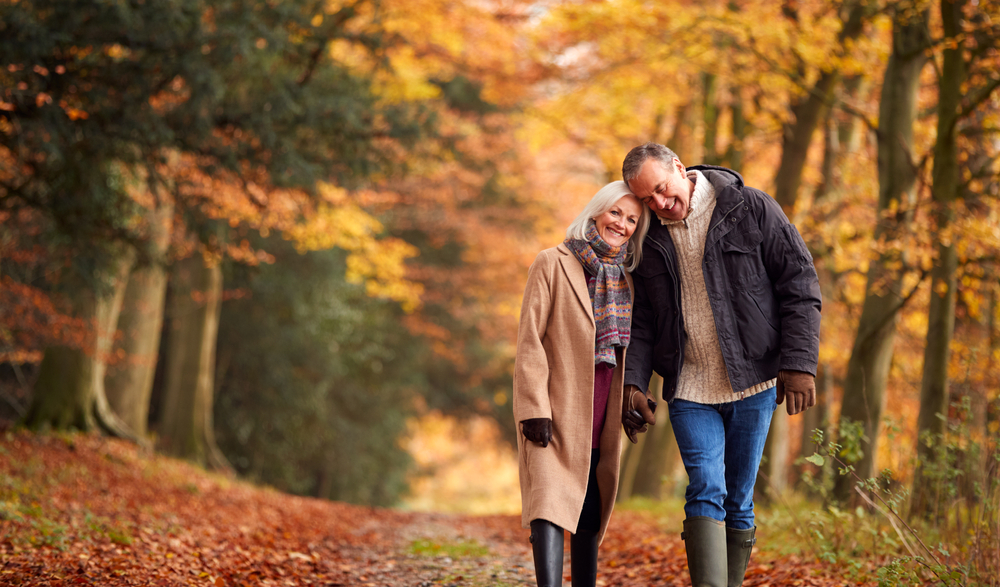
As we age, maintaining good health becomes increasingly essential. Grandparents, in particular, should prioritize their well-being in order to enjoy their golden years with their family and loved ones. One of the simplest, yet most effective ways to promote physical and mental health is by incorporating a daily 30-minute walk into your routine. This article will delve into the numerous health benefits a 30-minute walk can bring to grandparents and explain why it’s such a valuable activity.
Physical Health Benefits
- Improved Cardiovascular Health
A daily 30-minute walk can greatly contribute to improving cardiovascular health. By increasing blood circulation, walking helps lower blood pressure and cholesterol levels, reducing the risk of heart disease and stroke. It also strengthens the heart muscles, making it more efficient at pumping blood throughout the body.
- Weight Management
Regular walks can help grandparents maintain a healthy weight, which is crucial for overall well-being. Walking for 30 minutes can burn between 100-200 calories, depending on factors such as walking pace, terrain, and body weight. By burning these extra calories, grandparents can better manage their weight and reduce the risk of obesity-related health issues.
- Enhanced Muscle Strength and Bone Density
As we age, muscle strength and bone density tend to decrease. A daily 30-minute walk can help counteract these declines. Walking engages various muscle groups, including those in the legs, hips, and core, which can contribute to increased muscle strength and flexibility. Additionally, walking is a weight-bearing exercise that helps maintain bone density, thus reducing the risk of fractures and osteoporosis.
- Improved Balance and Coordination
Balance and coordination are essential for preventing falls, a common concern for older adults. Regular walking can help enhance balance and coordination by strengthening the muscles responsible for maintaining stability. Moreover, walking on uneven surfaces, such as trails or grass, can further challenge and improve these abilities.
Mental Health Benefits
- Reduced Stress and Anxiety
A daily 30-minute walk can contribute to reduced stress and anxiety levels. Walking in nature, for instance, can help clear the mind and create a sense of calm. Additionally, physical activity stimulates the production of endorphins, which are natural mood elevators that can help alleviate feelings of stress and anxiety.
- Improved Sleep Quality
Regular physical activity, such as walking, can contribute to better sleep quality. Walking can help regulate the body’s sleep-wake cycle, making it easier to fall asleep and stay asleep. By improving sleep quality, grandparents can benefit from increased energy levels and overall better mental health.
- Enhanced Cognitive Function
Studies have shown that regular exercise can help improve cognitive function in older adults. A 30-minute walk can boost blood flow to the brain, providing it with more oxygen and nutrients. This increased blood flow can lead to enhanced memory, attention, and problem-solving abilities, all of which are crucial for maintaining independence as we age.
- Social Engagement
Walking with friends or family members can provide opportunities for social engagement, an essential aspect of mental health and well-being. Social connections can help improve mood, reduce feelings of loneliness, and even contribute to a longer, healthier life. By making their daily walk a social activity, grandparents can reap the benefits of both physical exercise and social interaction.
Tips for a Successful Walking Routine
- Choose an Enjoyable Route
Selecting a walking route that is enjoyable and safe can make a world of difference in maintaining a regular walking routine. Consider walking in parks, nature trails, or well-lit neighborhoods with sidewalks.
- Wear Comfortable Shoes
Invest in a good pair of walking shoes that provide support and cushioning to prevent discomfort and injury
during your walks. Shoes that fit well and offer adequate arch support can make the walking experience more enjoyable and sustainable in the long run.
- Start Slow and Gradually Increase Pace
Grandparents should begin their walking routine at a comfortable pace and gradually increase their speed as they become more accustomed to the exercise. This approach helps prevent overexertion and potential injury while still providing the necessary health benefits.
- Listen to Your Body
It’s essential to pay attention to your body’s signals during your walks. If you experience discomfort or pain, slow down or take breaks as needed. Always consult with a healthcare professional before starting a new exercise routine, especially if you have pre-existing health conditions or concerns.
- Stay Consistent
Aim to make your 30-minute walk a daily habit. Consistency is key to experiencing the full range of physical and mental health benefits. If you find it challenging to maintain motivation, try setting goals or enlisting a walking buddy to keep you accountable and make the activity more enjoyable.
- Incorporate Variety
To prevent boredom and maintain motivation, consider varying your walking routine. This could involve exploring new walking routes, inviting friends or family members to join you, or listening to music, podcasts, or audiobooks during your walk.
Incorporating a daily 30-minute walk into a grandparent’s routine can yield numerous physical and mental health benefits, including improved cardiovascular health, weight management, enhanced muscle strength and bone density, reduced stress and anxiety, better sleep quality, and increased cognitive function. By choosing enjoyable routes, wearing comfortable shoes, starting slow, listening to your body, staying consistent, and incorporating variety, grandparents can make the most of their walking routine and experience a healthier, more fulfilling life.