Breaking bread is a tradition as old as civilization itself. It has transcended cultures and time periods, symbolizing friendship, camaraderie, and the act of coming together over a meal. But for beginners, this seemingly simple act might be a bit confusing or intimidating. Fear not! This comprehensive beginner’s guide will take you step by step through the art of breaking bread, providing you with valuable tips and insights to make your dining experience all the more enjoyable.
The Origins of Breaking Bread
Before we dive into the practical side of breaking bread, let’s take a quick journey back in time to understand its origins. The act of breaking bread dates back to ancient times, with numerous cultures having their own unique customs surrounding the practice. In ancient Greece, for instance, breaking bread was a way of showing hospitality and forming bonds between people. Similarly, the Jewish tradition of breaking challah bread during Shabbat meals symbolizes the unity and connection shared by those gathered around the table.
Over time, the art of breaking bread has evolved, and today, it is still an essential part of many dining experiences, whether formal or casual. Now that we’ve explored the history, let’s get started on mastering the art of breaking bread.
Selecting the Right Bread
The first step to becoming a skilled bread breaker is selecting the right type of bread. Not all breads are created equal, and some varieties lend themselves better to breaking than others. When choosing a bread to break, consider the following factors:
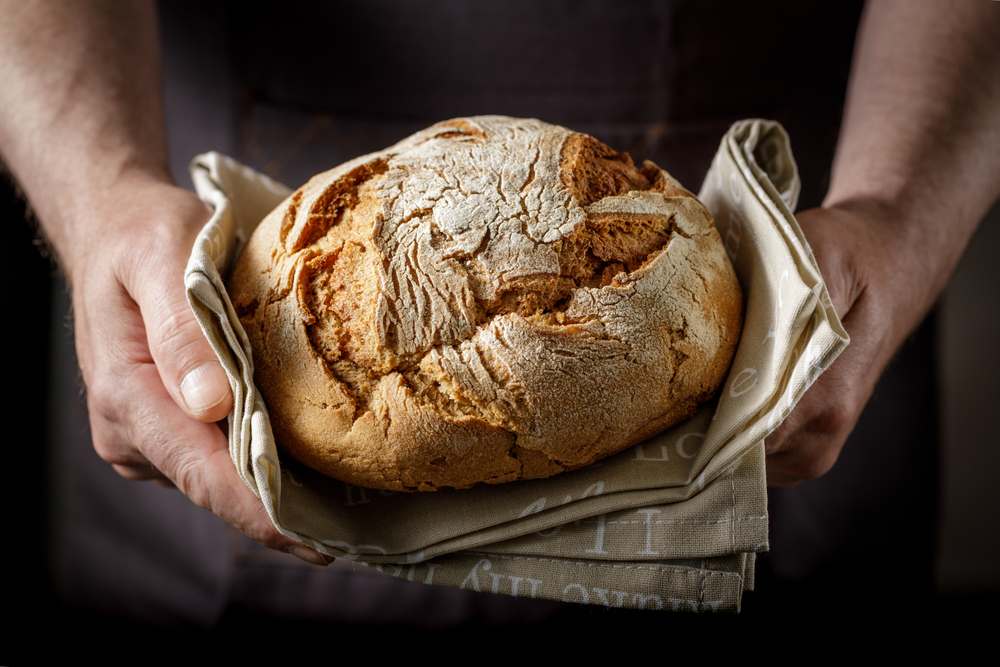
- Texture: Look for bread with a slightly chewy interior and a firm crust. Examples include baguettes, ciabatta, and sourdough.
- Size: Larger, round or oval-shaped loaves are ideal for breaking, as they provide ample surface area for a clean break.
- Freshness: Fresh bread tends to break more easily and cleanly than stale bread. Aim to serve and break bread on the same day it was baked.
Breaking Bread with Style and Grace
Once you have your ideal loaf of bread, it’s time to learn the proper technique for breaking it. Follow these simple steps to ensure a clean, graceful break:
- Hold the bread: Position the loaf horizontally in both hands, with your fingers resting gently underneath and your thumbs on top. Ensure that you have a firm but not overly tight grip on the bread.
- Find the breaking point: Locate the midpoint of the loaf, which will serve as your breaking point. This is where you’ll apply pressure to create a clean break.
- Break the bread: With your thumbs on top and fingers below, gently press down and outward, applying even pressure to the breaking point. The bread should begin to split along the middle, creating a natural tear.
- Complete the break: Continue to apply pressure until the loaf has been fully separated into two pieces. If necessary, use your fingers to gently pull the bread apart, ensuring a clean break.
- Present the bread: Place the two halves of the bread on a serving plate or bread basket, with the broken edges facing up. This not only showcases the beautiful interior of the bread but also makes it easier for guests to take a piece.
Sharing the Bread with Others
Breaking bread is not just about the technique – it’s also about sharing the experience with others. To create a warm, inviting atmosphere at your table, follow these tips:
- Pass the bread: After breaking the bread, offer it to the person seated to your left. This sets the tone for a clockwise passing motion, ensuring that everyone at the table has an opportunity to partake.
- Tear, don’t cut: Encourage guests to tear off a piece of bread with their hands, rather than using a knife. This not only maintains the tradition of breaking bread but also fosters a sense of connection and intimacy among diners.
- Serve with accompaniments: Enhance the bread-breaking experience by offering a variety of spreads, dips, or oils for guests to enjoy with their bread. Popular options include butter, olive oil and balsamic vinegar, hummus, and tapenade.
- Engage in conversation: Breaking bread is an opportunity to connect with others and engage in lively conversation. Encourage guests to share stories, discuss current events, or simply enjoy each other’s company while partaking in the communal experience of breaking bread.
- Show gratitude: Finally, remember to express gratitude for the meal and the company. Whether through a pre-meal blessing or a simple “thank you” to the host, acknowledging the significance of the gathering can make the experience all the more meaningful.
The art of breaking bread is a time-honored tradition that brings people together, fostering connections and creating lasting memories. By selecting the right bread, mastering the proper breaking technique, and encouraging a warm, welcoming atmosphere, you can elevate your dining experience and create a truly memorable occasion.
So, the next time you find yourself gathered around a table with friends or family, embrace the opportunity to break bread and celebrate the bonds that unite us all. With this beginner’s guide at your disposal, you’ll be well on your way to becoming a master bread breaker, enriching your dining experiences and creating lasting connections with those around you.