In South-East Asia, the secret to longevity and a vibrant life is not hidden in a mysterious elixir, but it is woven into the fabric of everyday life through their time-honored culinary traditions. The elderly population in this part of the world enjoys a rich and healthy lifestyle, which is strongly influenced by their choice of food and the methods they employ in cooking.
A holistic approach to health and well-being is a core belief in South-East Asian culture. Food is not just seen as a source of nourishment but also as a means of healing the body and maintaining good health. As a result, the elderly population in the region has managed to preserve their energy, mental clarity, and vitality into their golden years by relying on the wisdom of their ancestors and the bountiful resources of their land.
One of the essential aspects of South-East Asian cuisine is its reliance on fresh, natural ingredients. Local markets are teeming with vibrant fruits, vegetables, herbs, and spices that the elderly use to create delectable dishes that not only tantalize the taste buds but also promote good health. Some of these ingredients are believed to have potent anti-inflammatory and antioxidant properties, which contribute to slowing down the aging process and maintaining overall vitality.
A common thread in the culinary traditions of South-East Asia is the use of herbs and spices that are known for their medicinal properties. For example, turmeric, a bright yellow spice widely used in the region, contains curcumin, which has anti-inflammatory and antioxidant properties. Ginger, another staple in South-East Asian cuisine, has been found to have several health benefits, such as aiding digestion, relieving nausea, and reducing muscle pain and soreness.
The elderly population in South-East Asia also emphasizes the importance of balance in their diet. They follow the principle of “yin and yang,” which suggests that all things have complementary energies that need to be balanced for optimal health. In their cooking, this translates to a harmonious combination of flavors, textures, and colors that create a delightful and nourishing experience. The inclusion of a variety of ingredients in their dishes ensures that they consume essential nutrients required for maintaining good health.
In addition to the choice of ingredients, the cooking techniques employed by the elderly population in South-East Asia also play a crucial role in preserving the nutritional value of the food. They prefer methods that retain the nutrients and flavors of the ingredients, such as steaming, blanching, and stir-frying, over deep-frying or boiling, which can cause the loss of valuable nutrients.
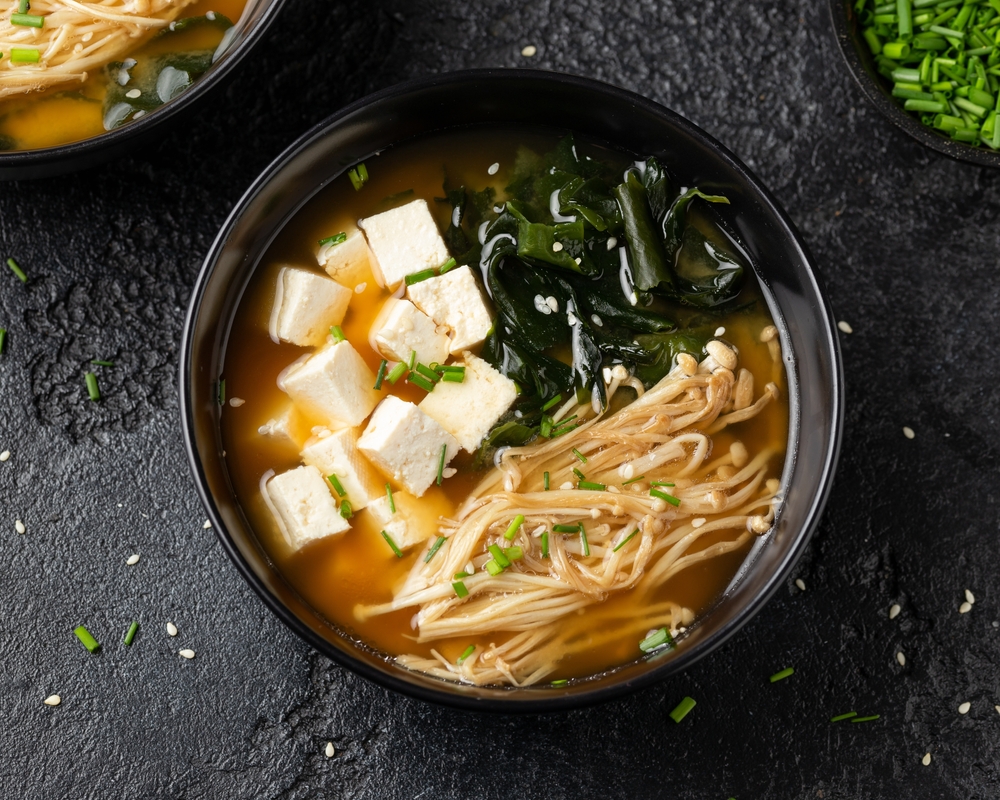
Soups and broths are another staple in the diets of the elderly in South-East Asia. These nourishing concoctions are made from simmering bones, vegetables, and herbs for hours to extract their nutrients and flavors. The resulting broth is not only delicious but also packed with essential minerals like calcium, magnesium, and phosphorus, which contribute to strong bones and a healthy immune system.
Fermented foods also hold a special place in the culinary traditions of South-East Asia. The process of fermentation not only enhances the flavor of the ingredients but also provides numerous health benefits. Fermented foods like kimchi, tempeh, and pickled vegetables are rich in probiotics, which aid digestion and support a healthy gut microbiome.
In South-East Asia, the concept of mindful eating is deeply ingrained in the culture. The elderly population values the importance of enjoying their meals in a relaxed and unhurried manner, savoring each bite and being present in the moment. This practice has been linked to improved digestion, better nutrient, better sleep and having more energy.