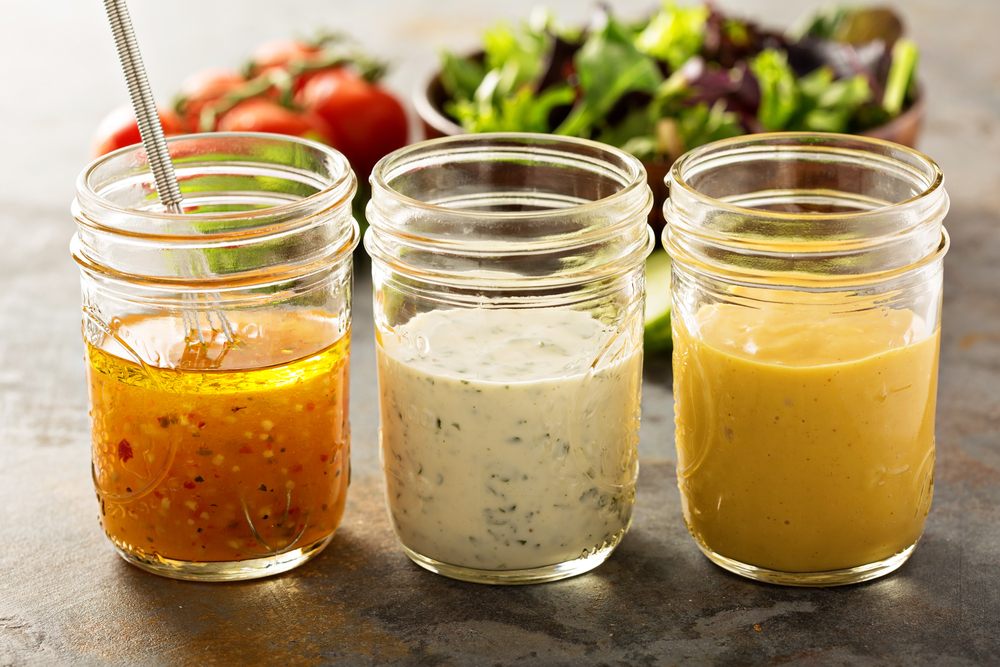
Elevating your salads from ordinary to extraordinary is as simple as whisking together a few ingredients to create a flavorful, homemade dressing. Ditch the store-bought bottles and embrace the art of making your own salad dressings with this detailed guide. We’ll explore the fundamentals of creating perfect vinaigrettes, creamy dressings, and versatile herb-based dressings that can be customized to suit any taste.
- The Vinaigrette: Balancing Acidity and Oil
Vinaigrettes are the most versatile and simplest salad dressings to create. At their core, they consist of just two main components: an acid and an oil. The classic ratio of oil to acid is 3:1, but feel free to adjust this to your taste preferences.
Acid: Vinegars (e.g., balsamic, red wine, apple cider) and citrus juices (e.g., lemon, lime, orange) provide the acid. Experiment with different types to discover your favorite flavors.
Oil: Olive oil is the most common choice, but other options like grapeseed, avocado, and walnut oil offer unique tastes and health benefits. Just remember to choose an oil with a flavor profile that complements your chosen acid.
Emulsifiers: To prevent your vinaigrette from separating, incorporate an emulsifying agent like Dijon mustard, honey, or mayonnaise. Just a small amount (1/2 to 1 teaspoon) will help bind the oil and acid together.
Seasonings: Round out your vinaigrette with salt, pepper, and any additional herbs or spices. Don’t be afraid to play with flavors like garlic, shallots, or fresh herbs for a more complex dressing.
Method: Combine all ingredients in a jar, seal tightly, and shake vigorously until the dressing is emulsified. Alternatively, whisk the ingredients together in a bowl or blend them using a food processor or blender.
- Creamy Dressings: Indulge in Rich, Smooth Flavors
Creamy dressings provide a luscious, velvety texture to your salads. The base for these dressings usually includes mayonnaise, yogurt, sour cream, or buttermilk.
Mayonnaise: A classic choice for creamy dressings, mayonnaise adds richness and helps emulsify the dressing. Use it as the base for dressings like ranch, Thousand Island, or Caesar.
Yogurt: For a healthier alternative, use plain Greek yogurt as a substitute for mayonnaise. It provides a tangy, creamy texture and pairs well with herbs and spices.
Sour Cream/Buttermilk: These ingredients lend a tangy, slightly acidic flavor to dressings. Combine them with mayonnaise or yogurt for a unique, creamy base.
Flavorings: Enhance your creamy dressing with a variety of flavorings, such as garlic, onions, fresh or dried herbs, mustard, and Worcestershire sauce. Adjust the seasonings to your taste, and don’t be afraid to get creative.
Method: Combine all ingredients in a bowl and whisk until smooth. For a thinner consistency, add a small amount of milk or water. Taste and adjust seasonings as needed.
- Herb-Based Dressings: Fresh and Flavorful
Herb-based dressings like pesto, chimichurri, and salsa verde provide a burst of fresh, vibrant flavors to your salads. These dressings are typically made with a combination of fresh herbs, oil, and seasonings.
Fresh Herbs: Basil, parsley, cilantro, mint, and tarragon are popular choices for herb-based dressings. Experiment with different combinations to discover your favorite flavors.
Oil: Olive oil is the go-to choice for herb-based dressings, as it complements the fresh flavors of the herbs. However, you can also explore other oils like avocado or grapeseed for a slightly different taste.
Acid: While not always necessary, adding a touch of acid like lemon juice or vinegar can brighten the flavors in your herb-based dressing. Choose an acid that complements the herbs you’ve selected.
Aromatics: Garlic, shallots, and onions provide a savory backbone to your dressing. Experiment with the amount and type to achieve the desired flavor profile.
Nuts and Seeds: Some herb-based dressings, like pesto, include nuts or seeds for added texture and flavor. Pine nuts, walnuts, almonds, and even sunflower seeds can work well in these dressings.
Method: Combine your chosen herbs, oil, acid, aromatics, and nuts or seeds in a food processor or blender. Pulse until the dressing reaches your desired consistency, adding more oil or a small amount of water if needed. Taste and adjust the seasoning, adding salt and pepper to taste.
Tips for Perfecting Your Homemade Dressings
- Taste as You Go: When making your dressings, it’s essential to taste as you go. This allows you to adjust the flavors and consistency as needed, ensuring that the final product meets your expectations.
- Store Properly: Homemade dressings can last up to a week when stored in an airtight container in the refrigerator. Vinaigrettes and herb-based dressings tend to have a longer shelf life, while creamy dressings may last slightly less time due to the dairy content.
- Dress Your Salad Sparingly: It’s easy to overpower your greens with too much dressing. Begin by adding a small amount of dressing and tossing your salad to coat the leaves evenly. You can always add more if needed, but it’s difficult to remove excess dressing once it’s been mixed in.
- Experiment: Making your own salad dressings is an excellent opportunity to explore new flavors and combinations. Don’t be afraid to think outside the box and create something unique to your taste preferences.
By following these guidelines, you’ll soon master the art of creating homemade salad dressings that rival those found on restaurant menus. Not only will your salads be more flavorful and satisfying, but you’ll also have full control over the ingredients, allowing you to cater to dietary preferences and allergies. So, grab your whisk or blender and start dressing up your greens with your own delicious creations.