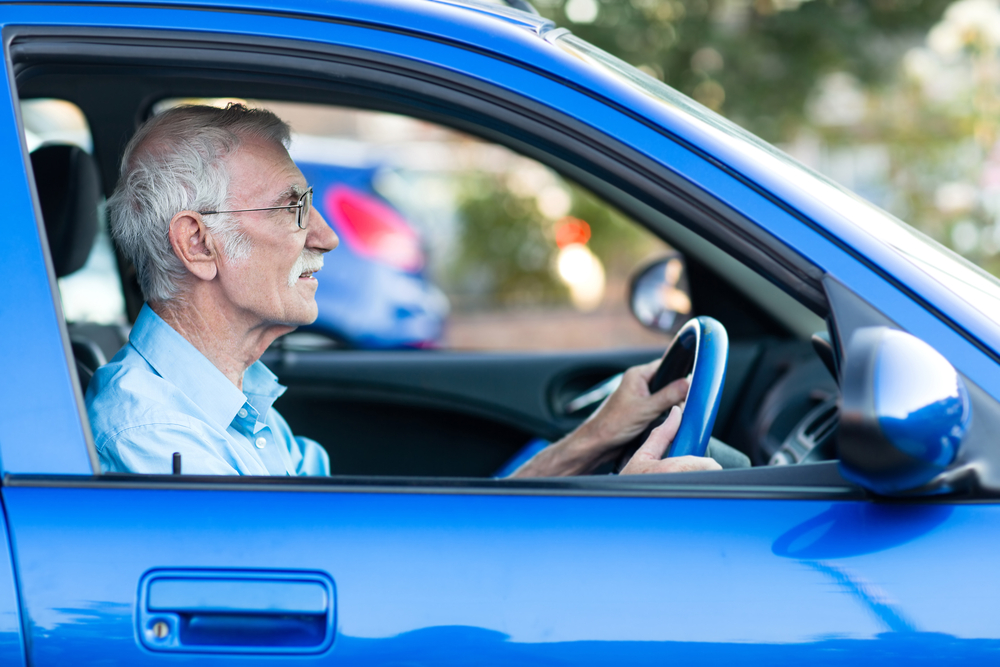
As your loved one gets older, their vision may become impaired. Not only can vision decrease, but their hearing and reflexes can also become limited. No one wants to stop their loved one from doing the things they love. But as aging continues it becomes harder for them to drive safely. You want to protect them and others.
How do you know when it is time for your loved one to stop driving?
- Reduced sense of direction
Getting lost in familiar places and not recognizing where they live is a sign to stop driving. This also may indicate other serious health concerns like dementia and Alzheimer’s.
- Collisions or accidents
Are you starting to recognize dents or scratches on the vehicle? This can be an indication of an accident. Any type of collision can be detrimental. The more scratches and dents you see on the vehicle are a sign to stop driving.
- Misinterpreting traffic signals
Ride with your loved one. Any unpredictable behavior such as stopping at a green light is dangerous. Other signs include ignoring traffic signs, and becoming hesitant when approaching traffic signals.
- Traffic violations
It is time to stop driving when your loved one starts to receive traffic tickets and violations. The first one is okay, but when it becomes redundant behavior change needs to happen. This can also be a sign of a reduction in cognitive behavior.
- Health issues
Any health issue that can impact driving should be taken seriously. Cataracts, high blood pressure, diabetes, etc. Reduce driving if your loved one suffers from any type of pain or blackouts.
- Night driving
If vision and night driving is an issue, limit driving privileges.
- Declining vision
Deteriorating vision is a problem. You never know when it may worsen. Safe driving requires good eyesight. Suffering from blurred vision or not being able to see the speedometer is dangerous.
- Slow reaction time
When your loved one is slow to respond to pedestrians, slowed traffic, moving traffic, etc. it is time to stop driving.
- Road rage & fear
Drive with your loved one. Do they have road rage, uneasiness, or fear while driving? If you witness a change in driving behavior=, consider other alternatives for your loved one.
- Heightened concern from others
Take note of the concerns from others around your loved one. You may not be able to witness declining behavior, but other family members or close friends can help you monitor behavior.